
Flooring company in New York City
Every floor, installed right across New York City
Plankora Flooring installs luxury vinyl plank, laminate, tile, carpet and hardwood floors, and restores and repairs wood floors, in apartments and houses in all five boroughs.
- 5Boroughs covered
- 7Floor services
Why Plankora
One company for every floor in your home
Most homes need more than one kind of floor. A kitchen wants something that shrugs off water, a bedroom wants something soft and quiet, and the old oak in the living room may only need bringing back. Because we install every main type of floor, we can tell you plainly which one suits each room, and put a tiled bathroom, a vinyl plank kitchen and a carpeted bedroom into one job with one schedule.
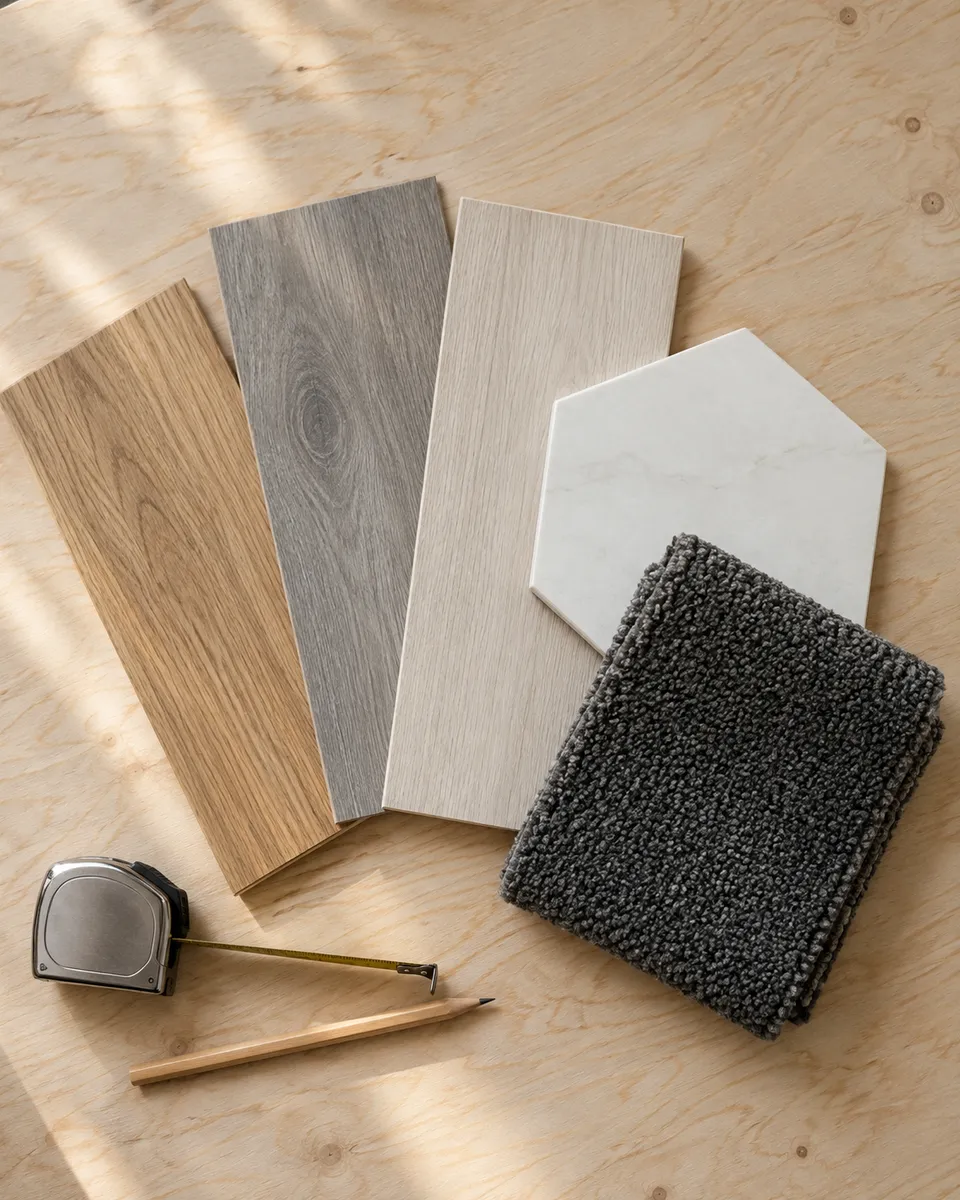
- We measure before we give you a number
- We take up the old floor and deal with what is under it
- We level the subfloor so the new floor lies flat
- We leave the room clean at the end of each day
We come out, measure every room and look at what you are walking on now. We check how flat the floor is, what is underneath it, where the radiators and doorways are, and how the new floor will meet the rooms next to it. That visit is what the estimate is built from.
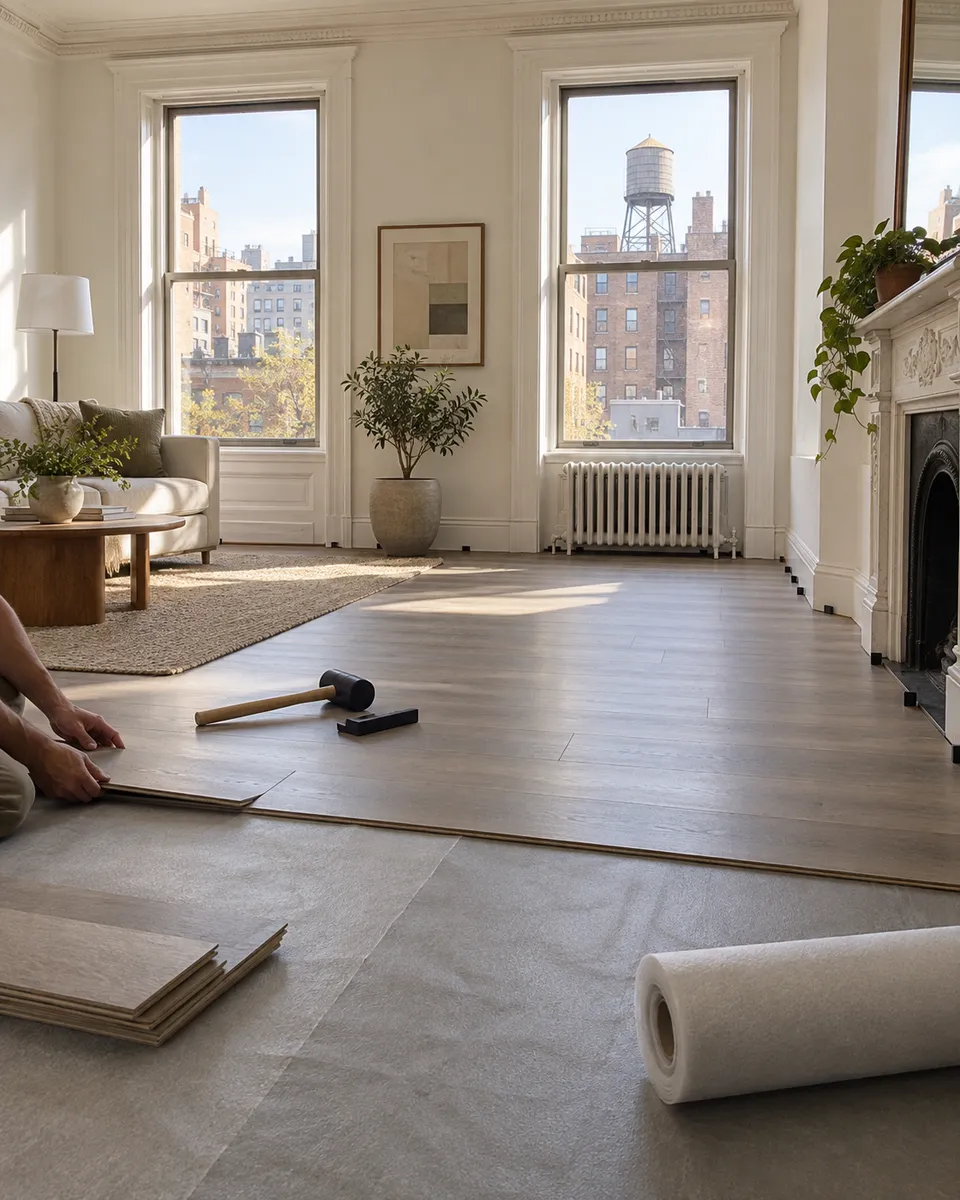
Most floor problems start underneath. We take up the old covering, fix loose or squeaking boards, and level the base with compound or new underlayment where it dips. New material sits in the room to settle to your home's temperature and humidity before it goes down.
We lay the floor, cut it neatly around radiators and door frames, and finish the edges with trim and thresholds so every doorway steps over cleanly. Before we leave we walk the room with you, and we tell you when the floor is ready for furniture and for daily use.
What we do
Floors we install and restore
Seven services, one company to call. Pick the floor you have in mind, or the problem you want fixed.
-
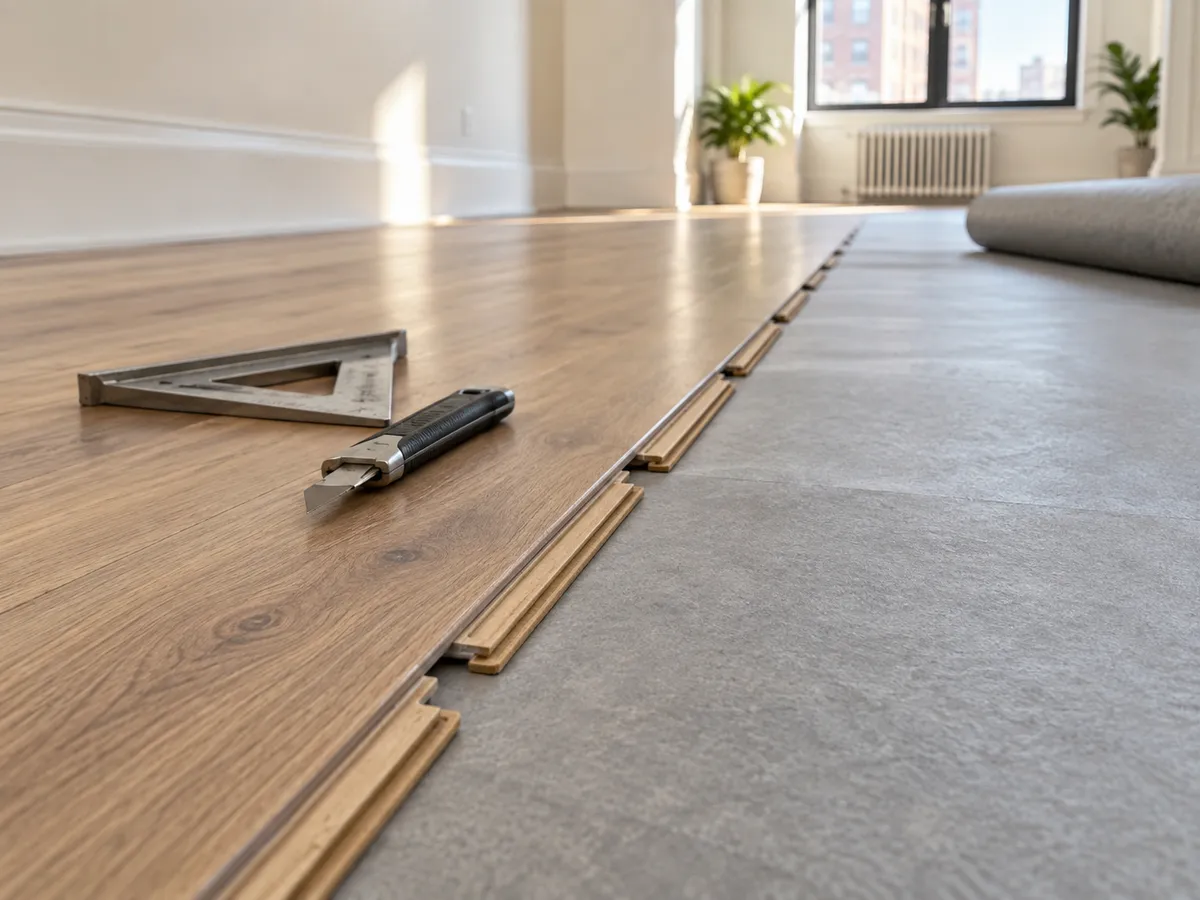 Luxury vinyl plank
Water-tolerant planks for kitchens, baths and busy rooms, floated or glued down over a flat base.
See luxury vinyl plank
Luxury vinyl plank
Water-tolerant planks for kitchens, baths and busy rooms, floated or glued down over a flat base.
See luxury vinyl plank
-
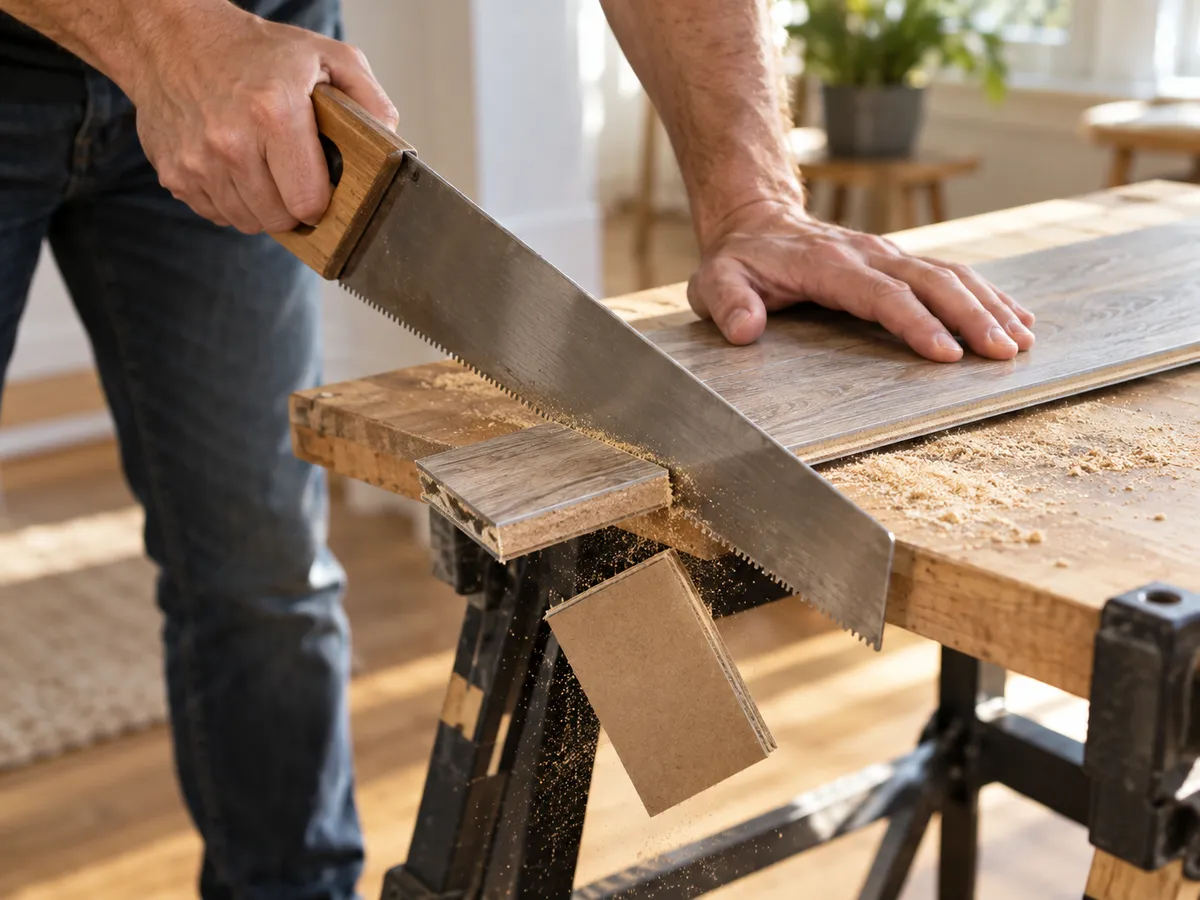 Laminate floors
A hard-wearing wood look for living rooms and bedrooms, floated over slabs and old floors.
See laminate floors
Laminate floors
A hard-wearing wood look for living rooms and bedrooms, floated over slabs and old floors.
See laminate floors
-
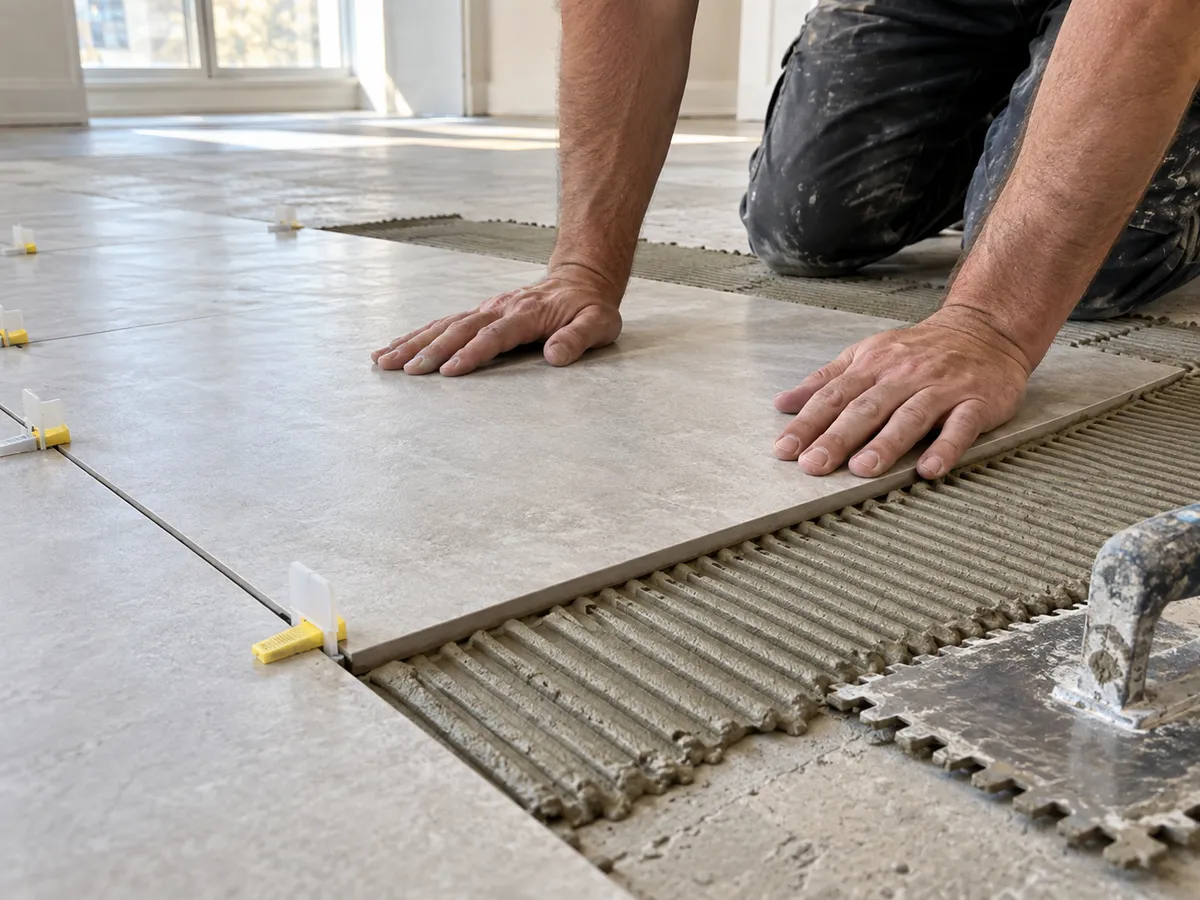 Floor tile
Porcelain, ceramic and stone floors set on a stiff, flat base with a planned layout.
See floor tile
Floor tile
Porcelain, ceramic and stone floors set on a stiff, flat base with a planned layout.
See floor tile
-
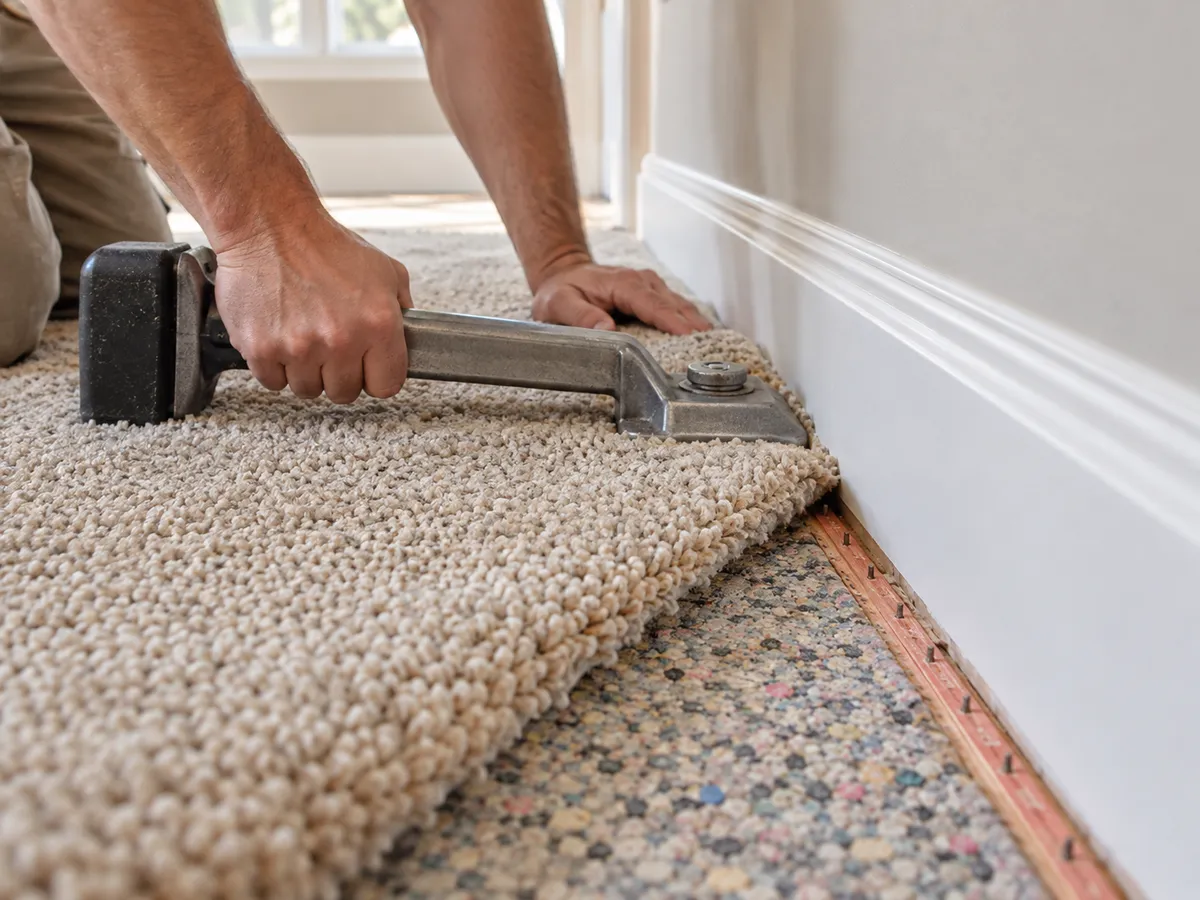 Carpet installation
Wall-to-wall carpet and stair runners, with the right padding for comfort and the unit below.
See carpet installation
Carpet installation
Wall-to-wall carpet and stair runners, with the right padding for comfort and the unit below.
See carpet installation
-
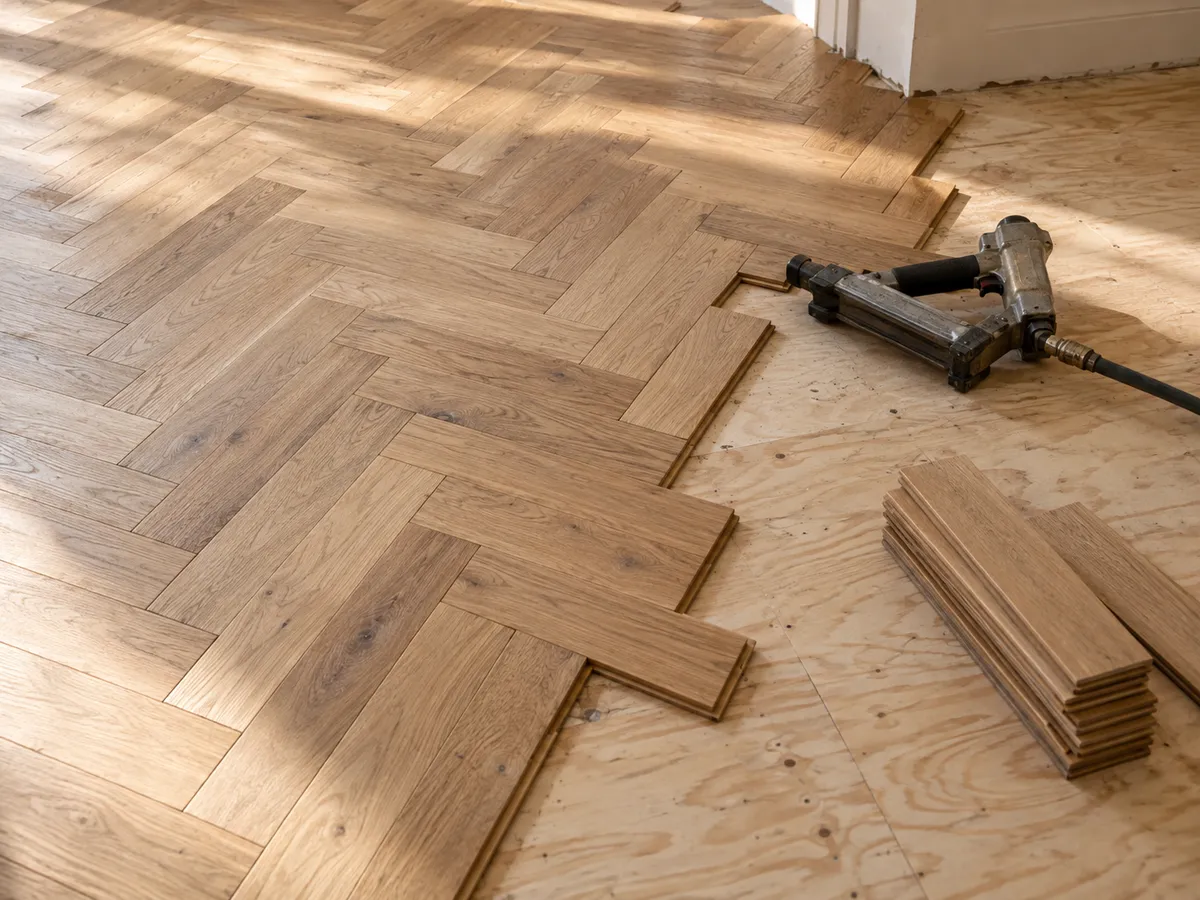 Hardwood floors
Solid or engineered wood matched to your building, in strip, wide plank or herringbone.
See hardwood floors
Hardwood floors
Solid or engineered wood matched to your building, in strip, wide plank or herringbone.
See hardwood floors
-
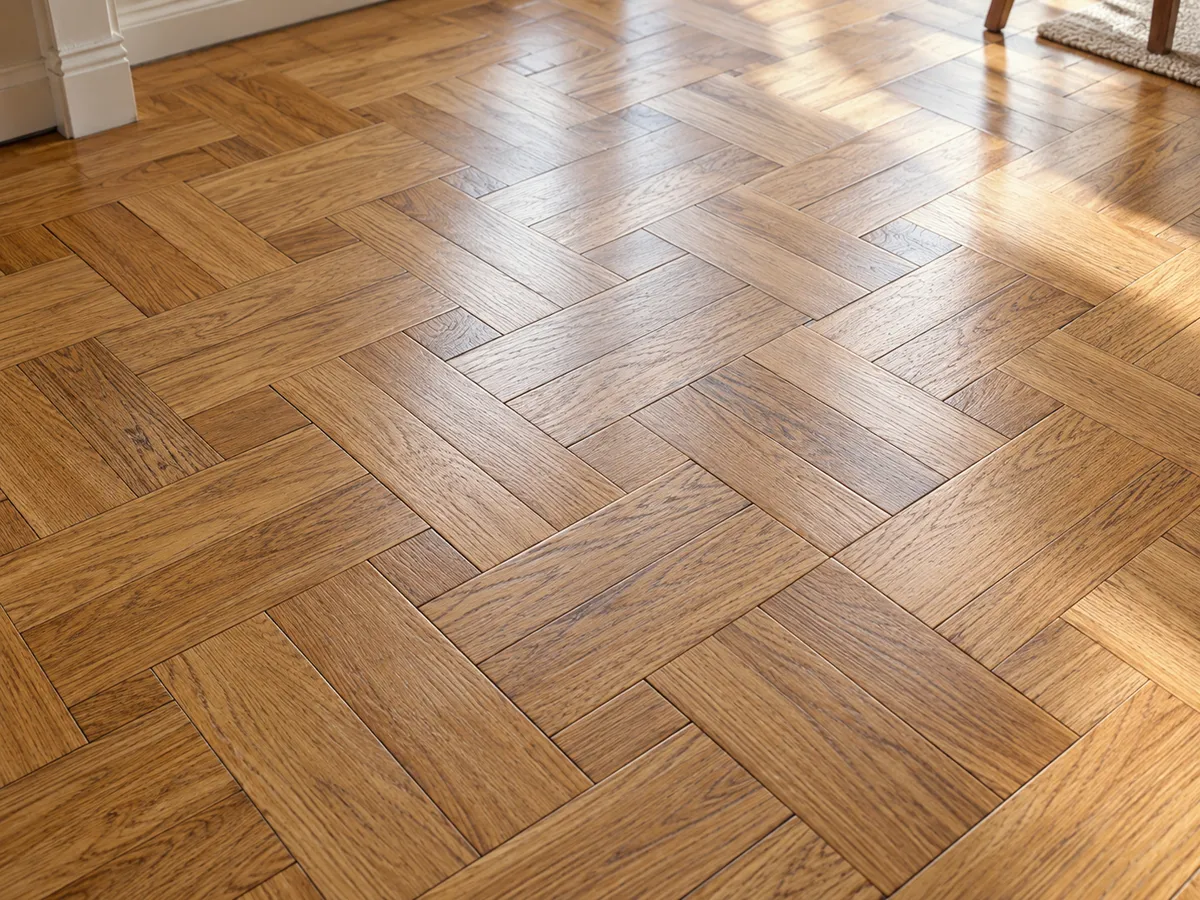 Floor restoration
Recoat, sand and refinish, or restore parquet, so the wood you already have looks new again.
See floor restoration
Floor restoration
Recoat, sand and refinish, or restore parquet, so the wood you already have looks new again.
See floor restoration
-
 Wood floor repair
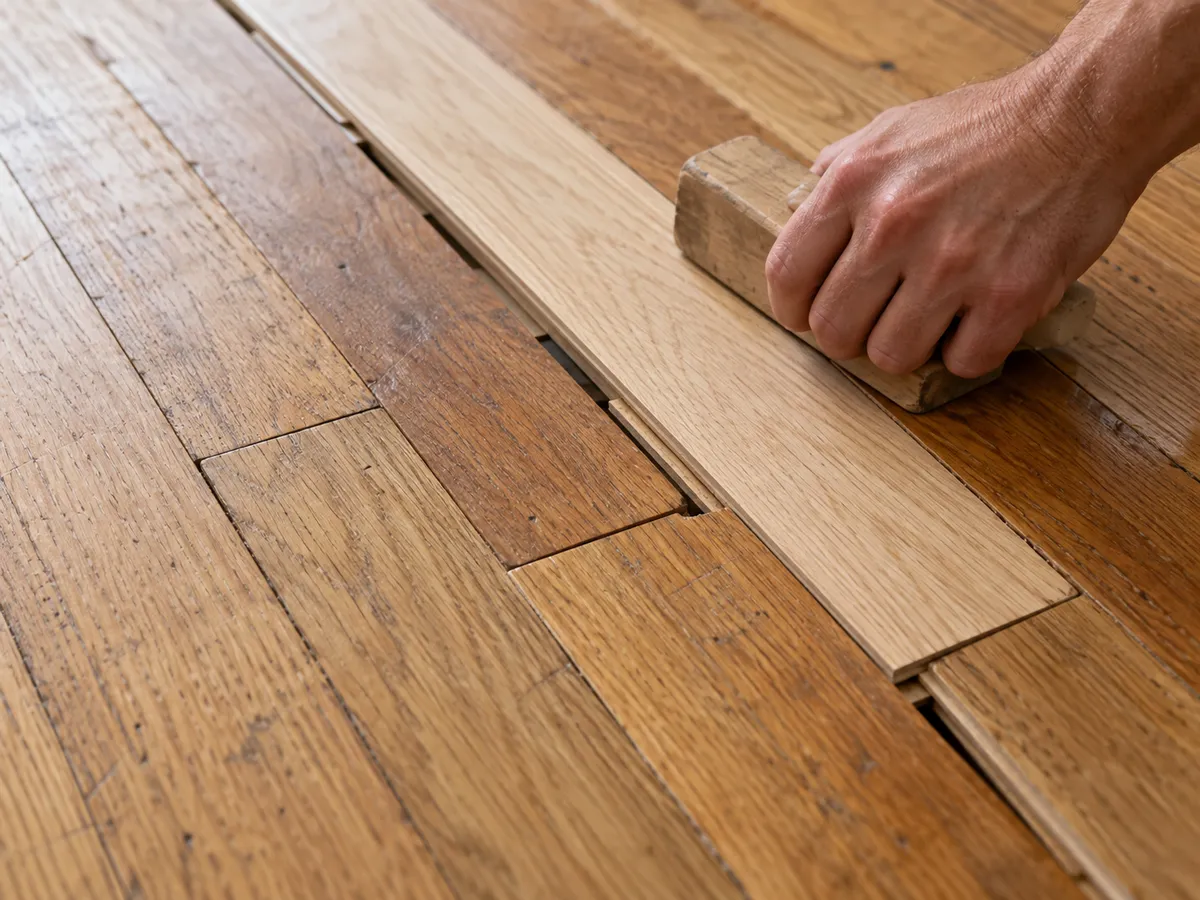
Water damage, cupped or stained boards, gaps and squeaks, repaired to blend with the floor around them.
See wood floor repair
Wood floor repair
Water damage, cupped or stained boards, gaps and squeaks, repaired to blend with the floor around them.
See wood floor repair
New York buildings
Floor work that fits how your building works
A floor job in New York is rarely just the floor. In a co-op or condo, the board or the managing agent usually wants to know about the work before it starts, and many buildings ask for an alteration agreement and insurance paperwork from the contractor. Buildings also set the hours work can happen, and the city's own construction hours run from 7 a.m. to 6 p.m. on weekdays.
We plan around all of it. We work through your building's paperwork with you, book the freight elevator where there is one, protect the lobby and hallways on the way in, and keep noisy work inside the hours your building allows.
In a lot of co-ops and rentals, the lease also says how much of each room has to be covered with carpet or rugs. If you are thinking about a hard floor for a bedroom or living room, check that clause first. We will help you work out what it means for your choice.
Weekday hours the city allows construction
For every floor we lay
Boroughs we work in
Floor services, one call
Planning a new floor? We measure first.
Call us or send the room size and a few photos, and we will tell you what the job involves.
Choose by room
Which floor suits your room?
Start with the room. Each one has its own demands on a floor, and the best choice changes with them.
Kitchen
A floor that can take spills
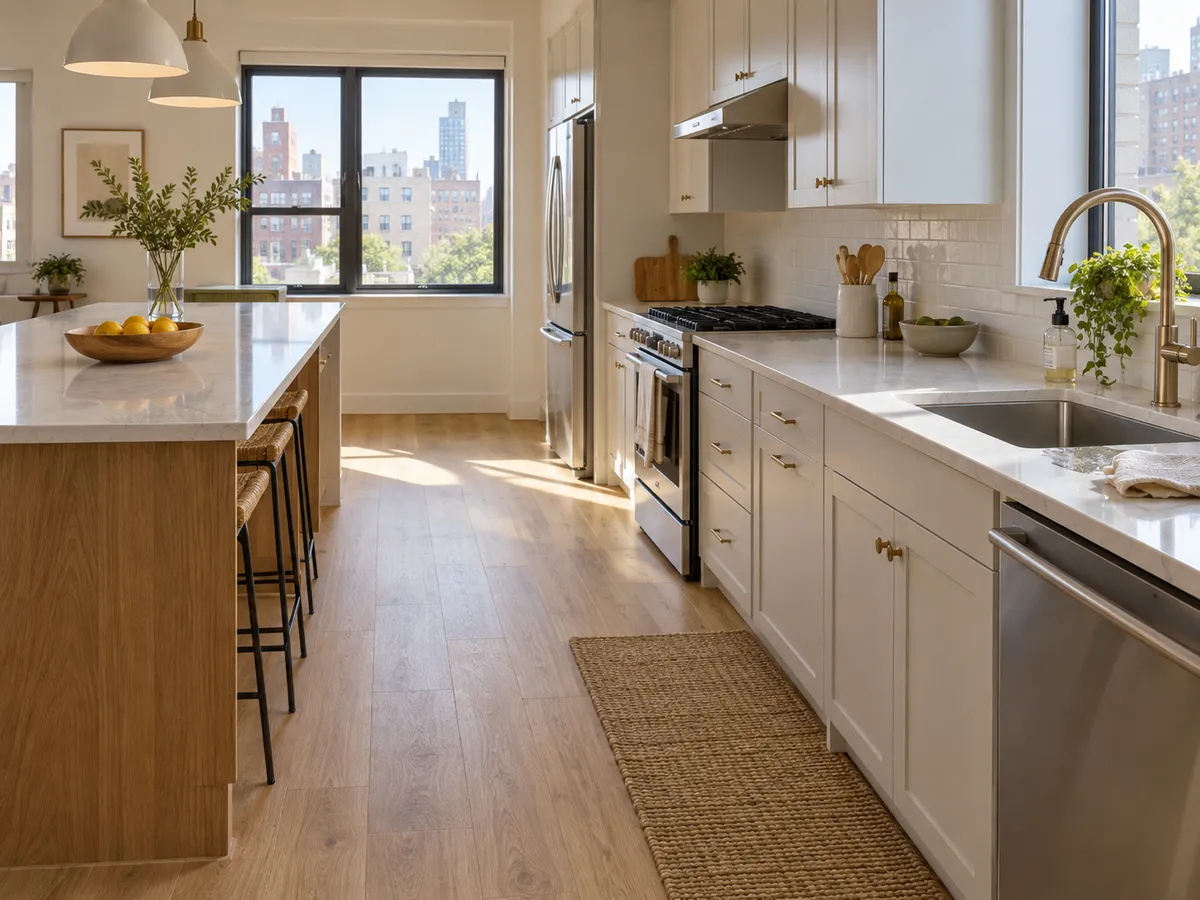
Kitchens see water, dropped pans and a lot of standing. Luxury vinyl plank handles water well and is warm underfoot. Porcelain tile is the hardest-wearing choice and cleans easily. If you love wood, engineered wood with a good finish can work in a kitchen that is kept dry.
Bathroom
Water every day
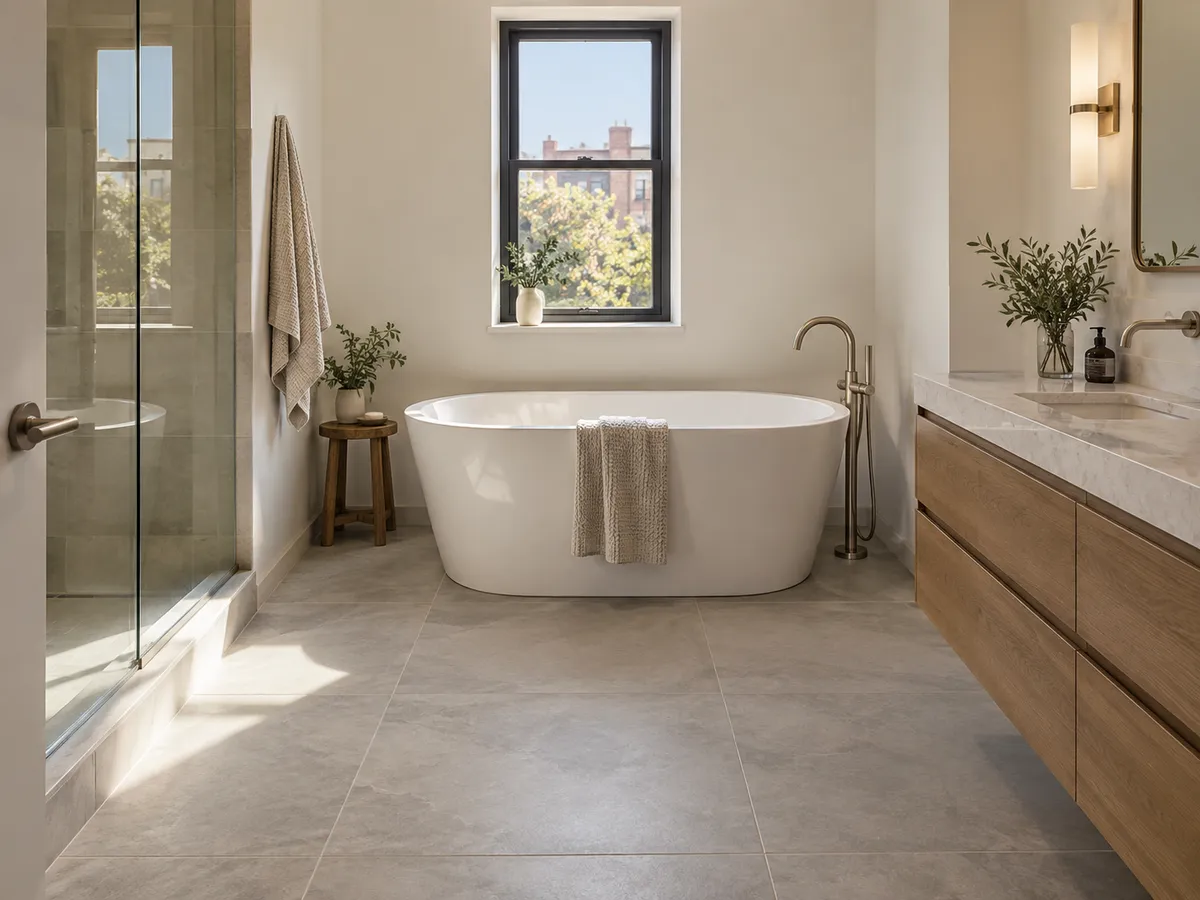
Bathrooms are the one room where water is on the floor daily. Porcelain or ceramic tile is the classic answer, from small hexagons to large-format slabs. Luxury vinyl plank is a softer, warmer option where the base is flat and the edges are sealed.
Bedroom
Soft, quiet and warm
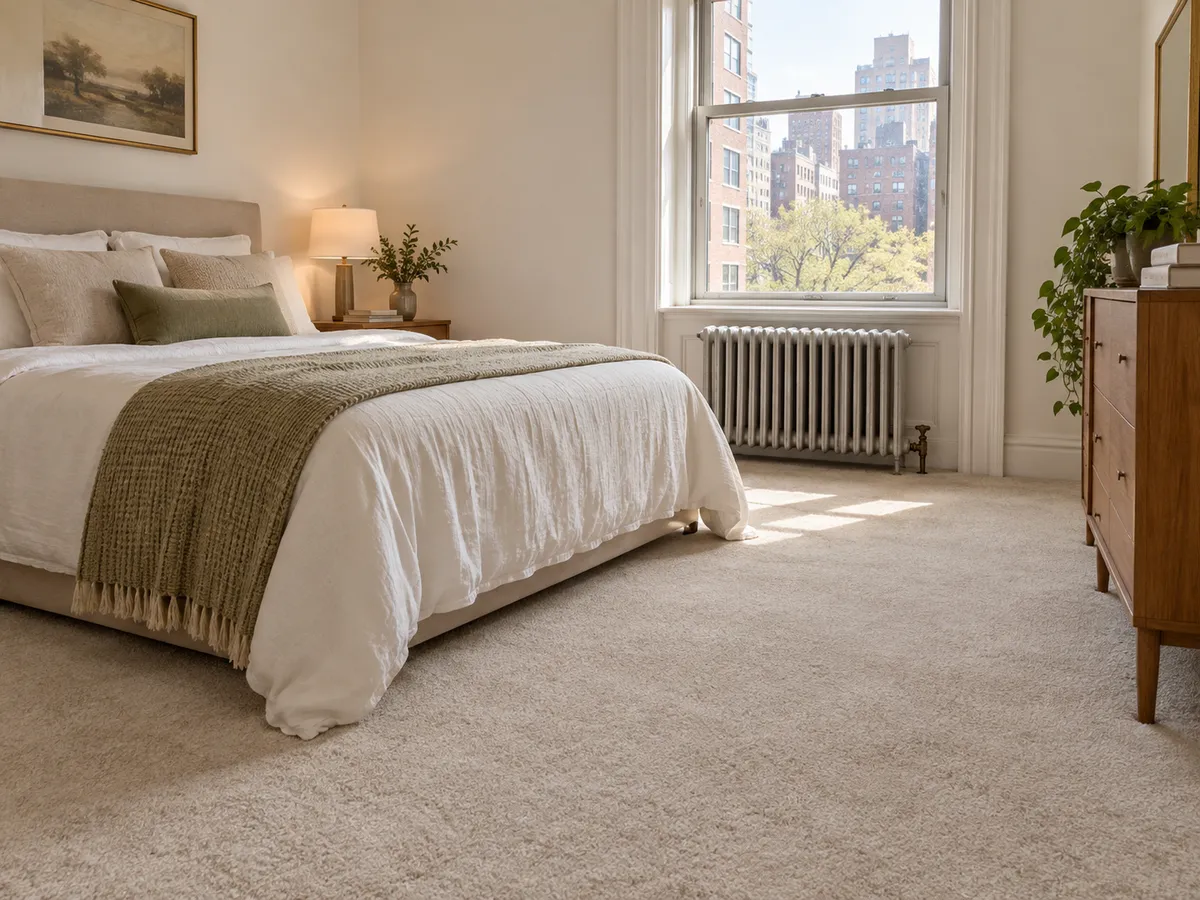
Bedrooms are where comfort and quiet matter most, and where many leases ask for floor covering. Carpet over a good pad is the softest and quietest choice. Wood, laminate and vinyl plank all work well with area rugs, and a good underlayment keeps the sound from reaching the neighbors below.
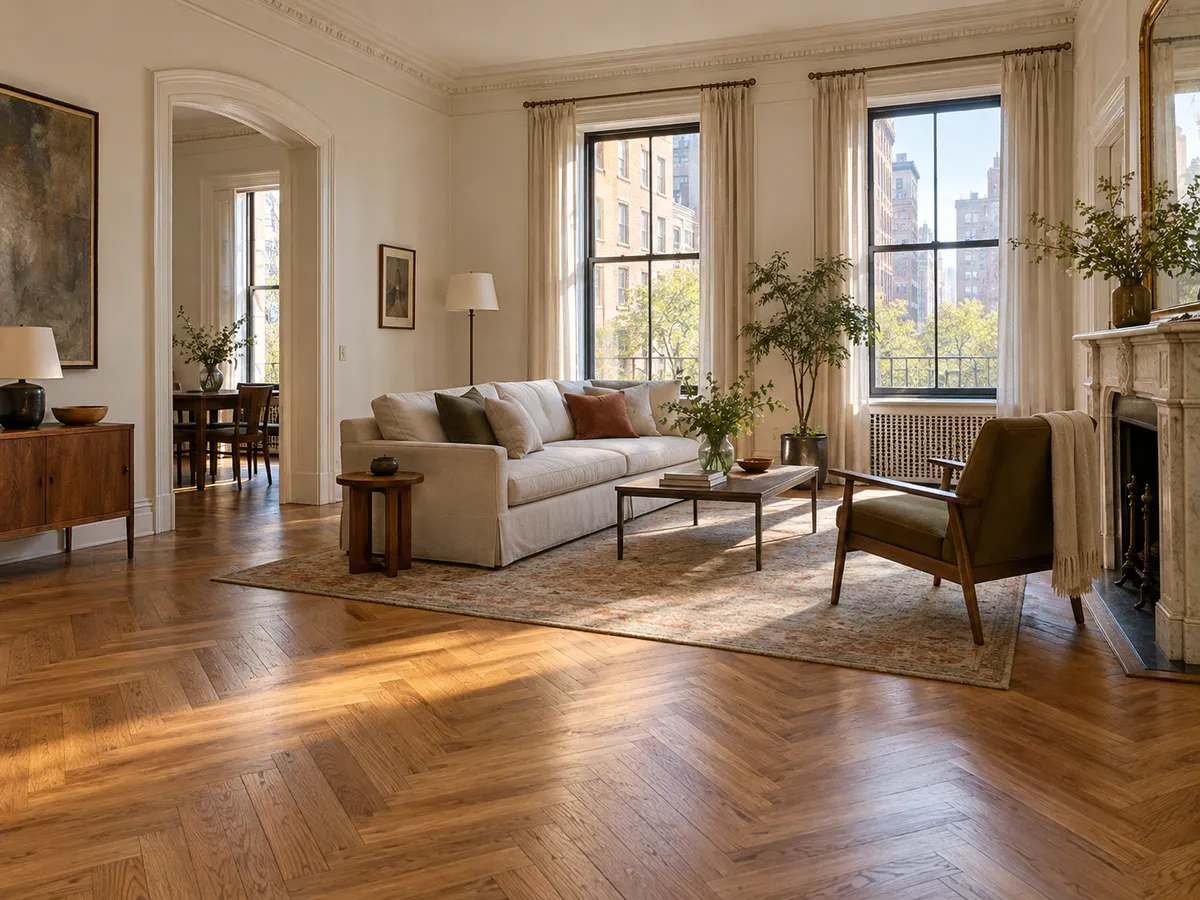
Living room
The floor people see first
The living room is usually the largest open floor in the home and the one that sets the look. Hardwood in strip, wide plank or herringbone suits a prewar room. Laminate and vinyl plank give a wood look for less, and restoring an old oak floor often beats replacing it.
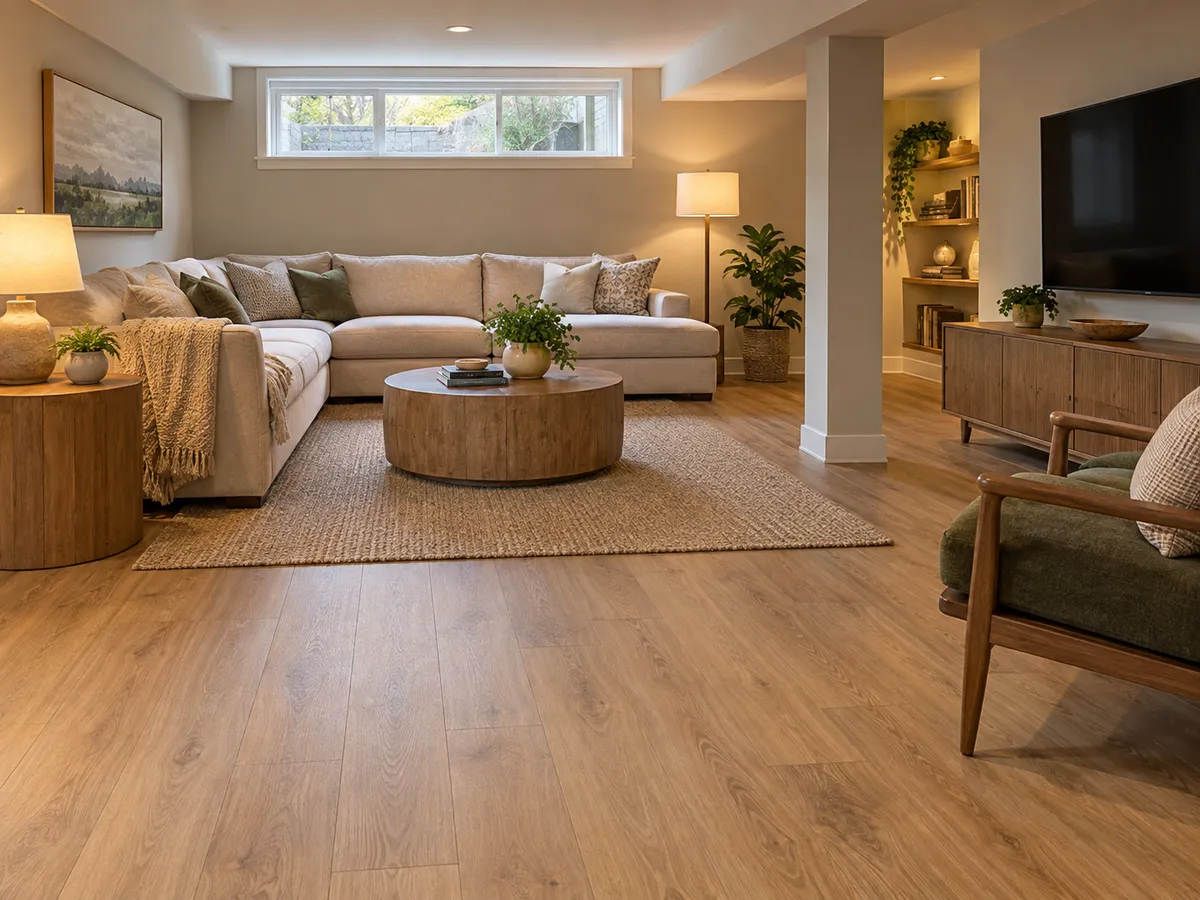
Basement
Below grade, away from wood
Basements can be damp, and solid wood does not belong there. Luxury vinyl plank copes with moisture and feels warmer than tile. Porcelain tile is the choice where there is a risk of water. Either goes down over the concrete once it is flat and dry.
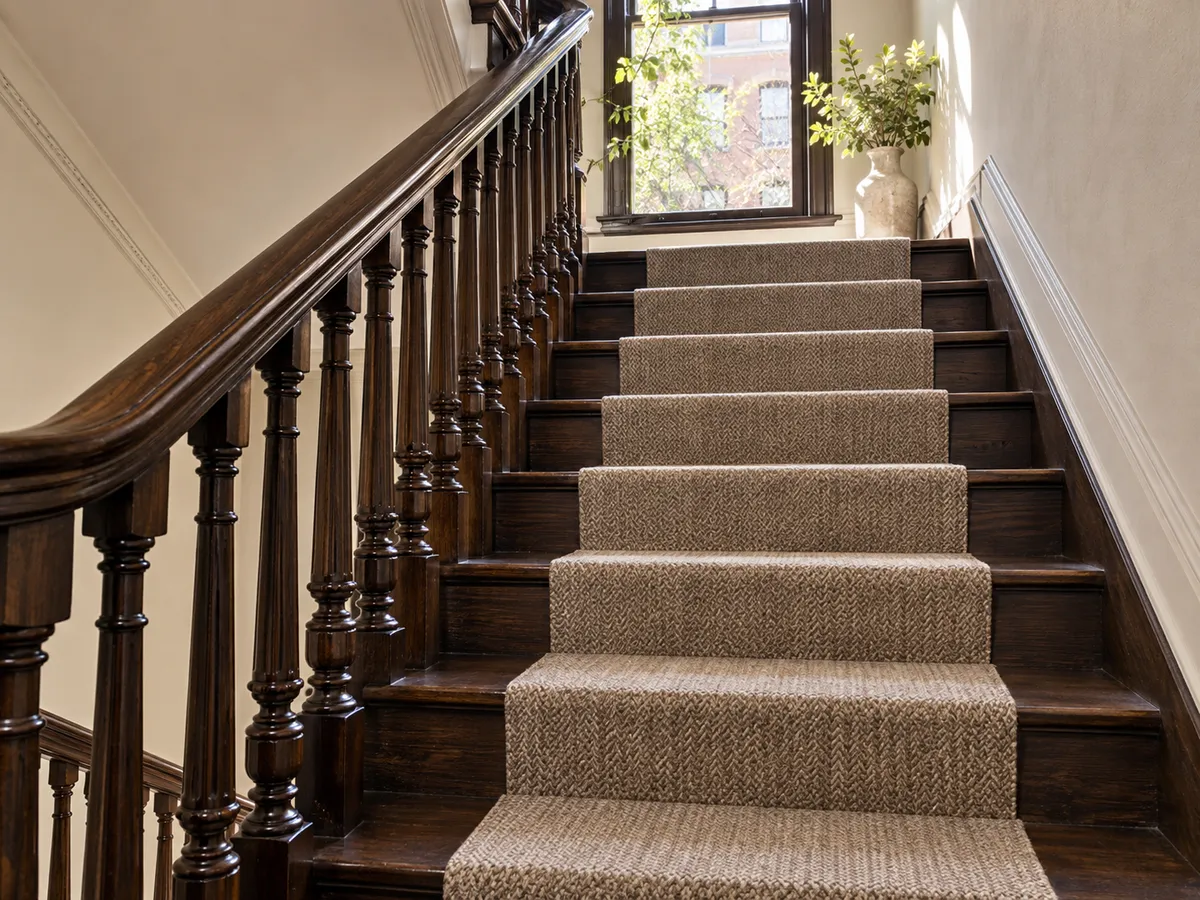
Stairs
Grip, wear and a clean edge
Stairs take more wear than any floor in the house. A carpet runner adds grip and quiets a walk-up or brownstone stair. Wood treads can be restored with the rest of the floor, or replaced where they are too worn.
How it works
From first call to finished floor
Call or send photos
Tell us the rooms, roughly how big they are, and what floor you have now. Photos help us understand the job before we visit.
We measure and check
We measure every room and check the base underneath, because the subfloor decides the method and much of the price.
Your estimate and a date
You get an estimate for the whole job. We agree a start date that works with your building's rules and hours.
We install and clean up
We protect the space, lay the floor, fit the trim and thresholds, and leave the rooms ready to use.
Where we work
Floors across all five boroughs
We install and restore floors in every borough, from prewar walk-ups to new condos and family houses.
-
01
Manhattan
Co-ops and condos with alteration agreements, service elevators and strict work hours, and prewar apartments with old oak and parquet underneath.
Visit Manhattan -
02
Brooklyn
Brownstones and row houses with original wood floors and long stair runs, alongside new condo buildings on concrete slabs.
Visit Brooklyn -
03
Queens
Attached houses, garden apartments and big co-op buildings, where one job can take in a kitchen, a basement and a bedroom floor.
Visit Queens -
04
Bronx
Prewar apartment buildings with parquet worth restoring, and row houses and two-family homes that need a floor for every room.
Visit Bronx -
05
Staten Island
Detached and semi-detached houses with finished basements, open-plan living areas and stairs that take a runner.
Visit Staten Island
Questions
Questions about new floors
How much does it cost to install new flooring?
The price depends on the floor you choose, the size of the rooms, and above all what is underneath. Taking up an old floor, leveling an uneven base, working around radiators and doorways, and adding stairs all change the job. We measure and look at the base first, then give you an estimate for the whole job and explain what could change it before work starts.
Does my building need paperwork from the installer?
Many co-ops and condos do. It is common for a building to ask for an alteration agreement, insurance paperwork from the contractor, and to set the days and hours work can happen. Ask your managing agent what your building needs, and we will work through it with you before we book a start date.
Do I need to be home while the floor is installed?
Not all day. We need someone to let us in, agree the layout and any last choices on the first morning, and look over the finished floor with us at the end. Many customers go to work in between.
How long will the room be out of use?
It depends on the floor. Carpet, vinyl plank and laminate rooms are usually back in use the same day or the next. Tile needs time for the mortar and grout to cure, and a refinished wood floor needs time for each coat of finish to dry. We give you the timing for your job before we start.
Which is better for an apartment, vinyl plank or laminate?
Both give a wood look and both can float over most existing floors. Vinyl plank copes with water, so it is the choice for kitchens, bathrooms and basements. Laminate has a harder surface and suits dry living rooms and bedrooms. In an apartment, the underlayment under either one matters as much as the floor itself, because it controls how much sound reaches the unit below.